The problem
Many Kenyan gyms run on paper registers, spreadsheets and WhatsApp. Memberships expire without anyone noticing. Check-ins are not recorded. The owner has no clear view of revenue.
What I built
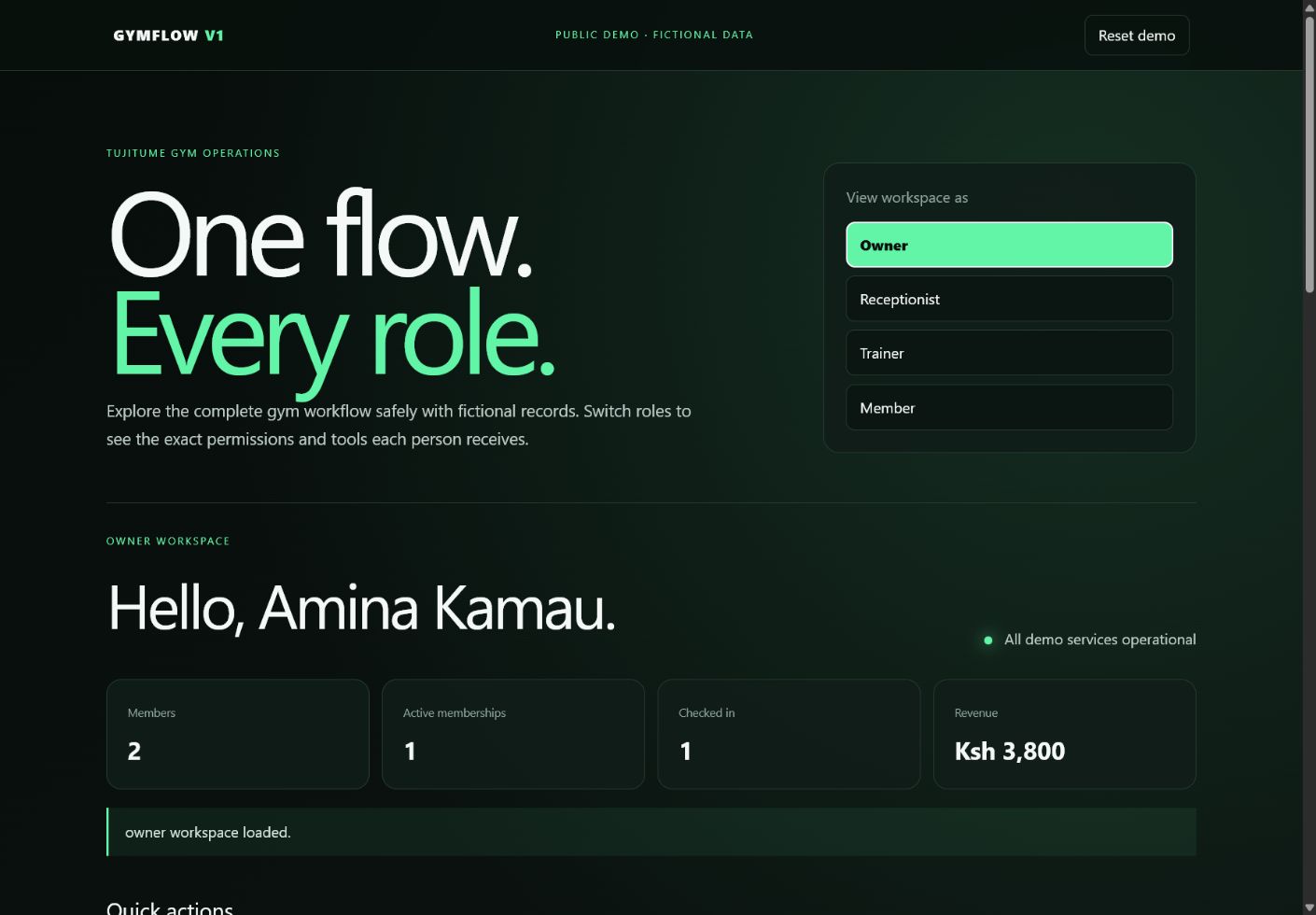
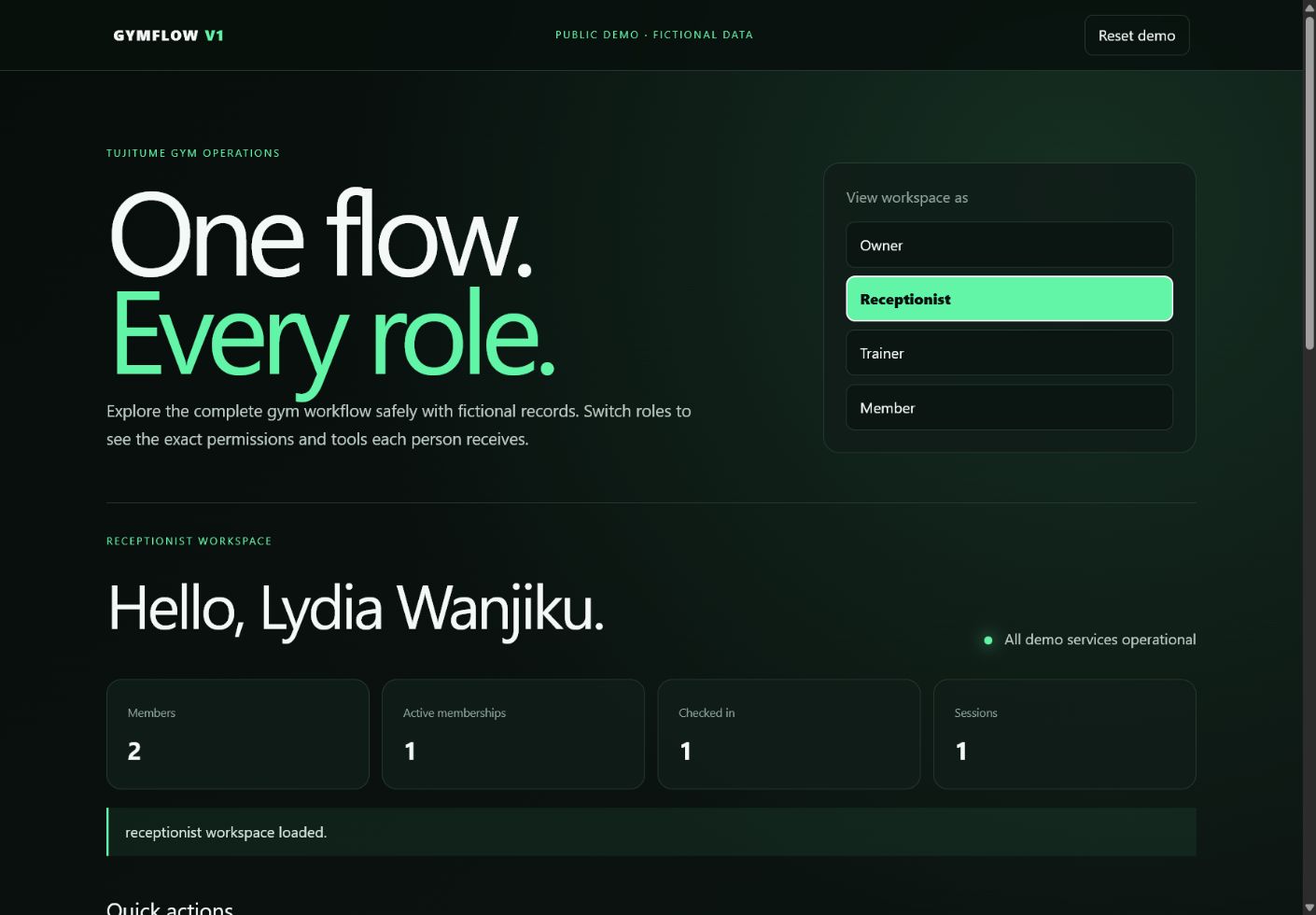
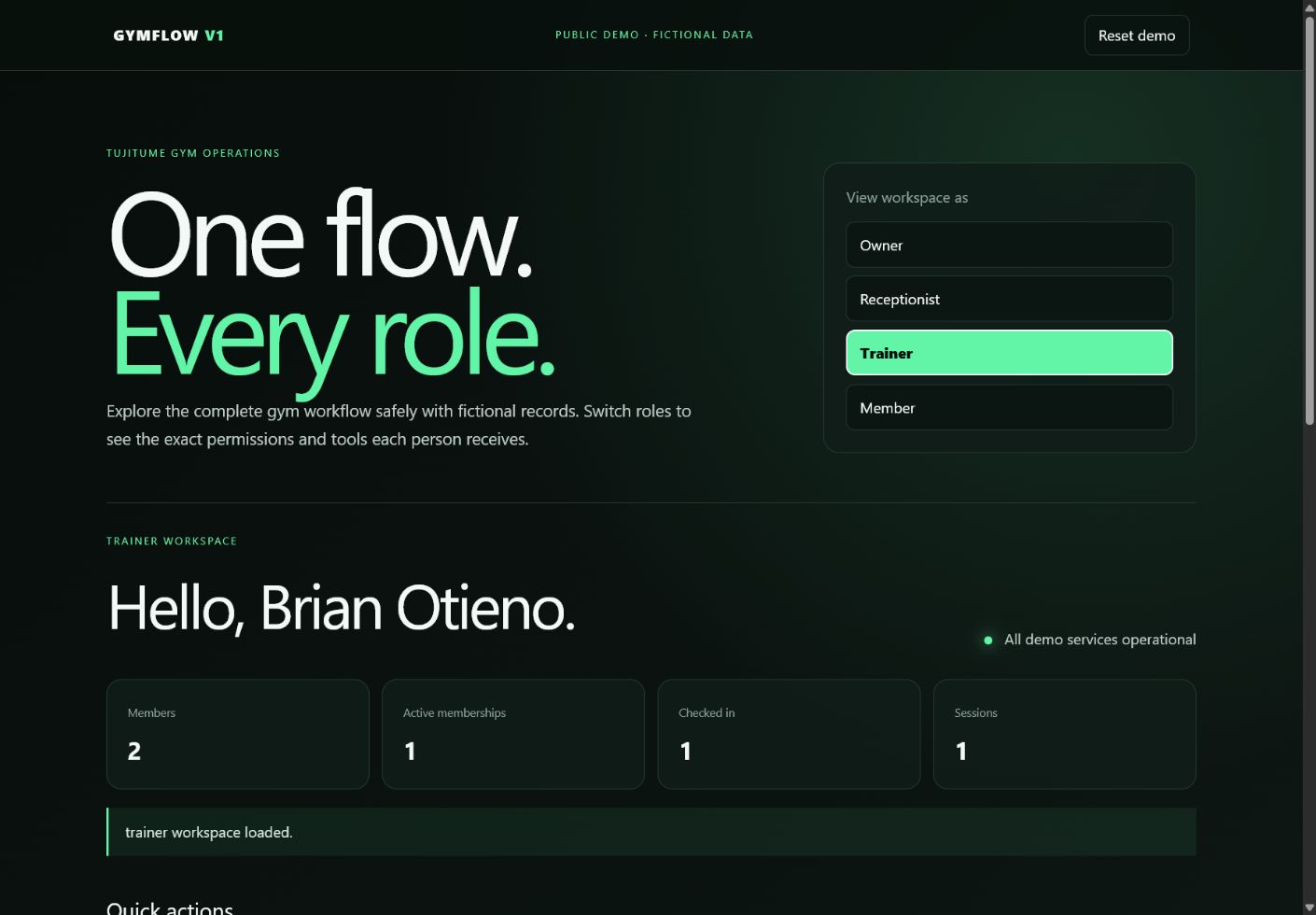
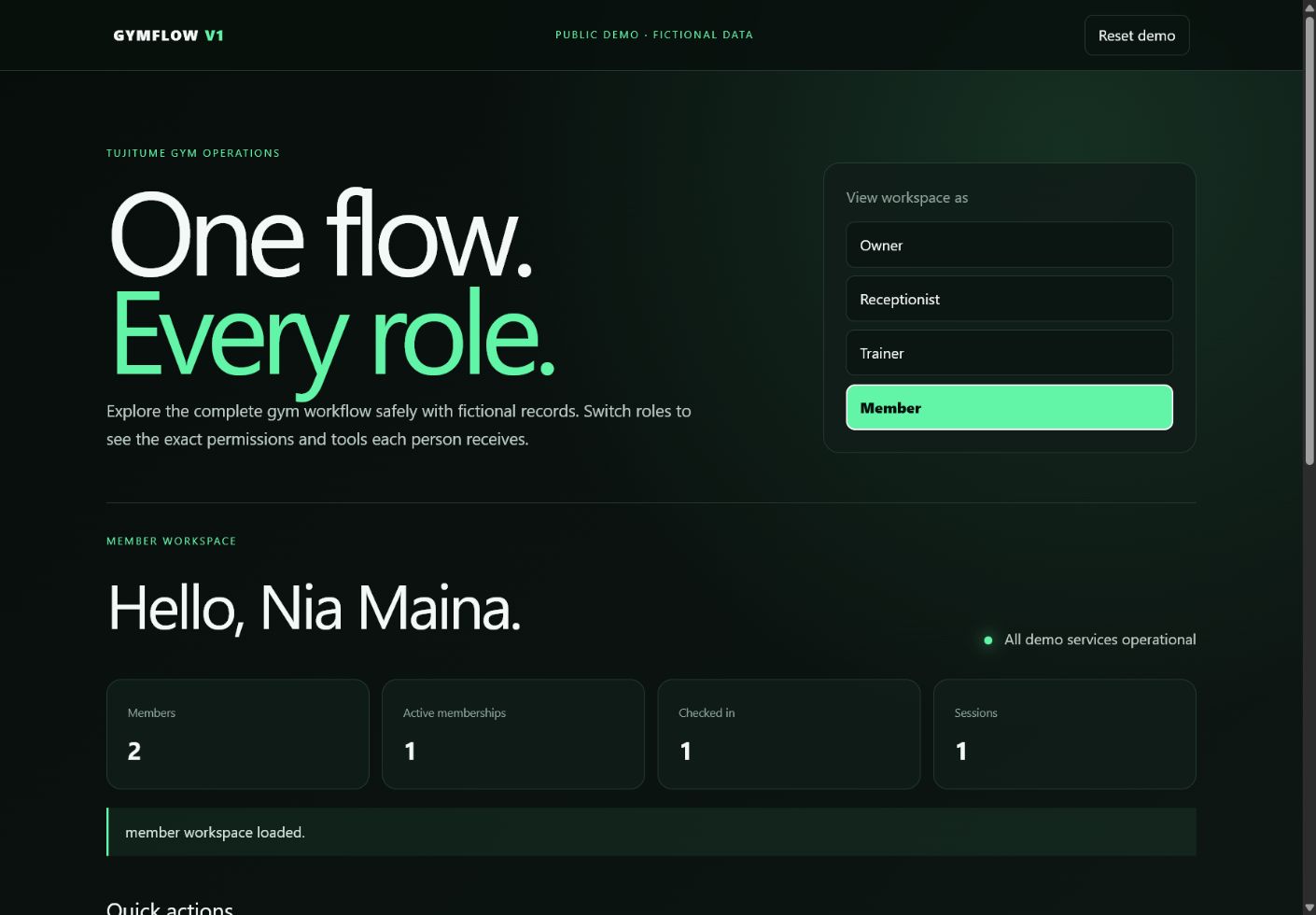
One system with four workspaces. Each person sees only what their job needs:
- Owner: revenue, members, expenses, staff accounts, reports and CSV export.
- Front desk: registration, renewals, payments and check-ins.
- Trainer: assigned members, schedules and workout plans. No access to money.
- Member: their membership, visits, bookings, workouts and progress.
Other features:
- Group classes with bookings, waitlists and class attendance.
- Lead and referral tracking with WhatsApp follow-up.
- Two-factor sign-in with recovery codes, email password reset and new-device alerts.
- Automatic membership expiry, visit limits and access-hour rules, all enforced on the server.
How it’s built
- Backend: a Python JSON API with no framework, in separate modules for auth, operations, classes and growth.
- Data: PostgreSQL in production (Neon). SQLite is used for local development. Database changes run as ordered migrations.
- Delivery: 86 automated tests run on GitHub Actions against a real PostgreSQL 17 database. The app deploys to Render only when the tests pass.
- Operations: nightly off-site backups with tested restores, request tracing and an uptime check.
Where it stands
The application is complete and ready to pilot with a first gym. Hosted payments (M-Pesa) and support for multiple gyms are planned after the pilot.
The public demo runs in your browser on made-up data. Nothing is sent to a server.
Screens